

Fluids Solutions

Jenbacher S Oil 40
DEVELOPED FOR NON-NATURAL GAS ENGINE APPLICATIONS The new Jenbacher S Oil 40 - Built to perform in the most extreme operations conditions. For more information:
https://www.jenbacher.us/en/our-services/s-oil-40NES-WES FLUIDS SOLUTIONS LIFE CYCLE




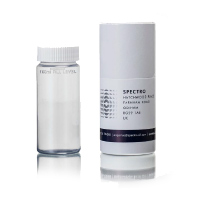
fluids sample:
- Lubricating oil, gearbox oil, and coolant.
- In Stock.
-
For a quote, please reach out to
neesyparts@neesys.com
or weesyparts@weesys.com.
JETCARE LAB ANALYSIS:
- Fast, Accurate Analysis: results sent within two working days of receipt of your fluids sample.
- 24/7/365 Availability - prioritized reporting within a few hours.
- Technical Expertise- Our experienced team of engineers and analysts provide an unrivaled technical service.

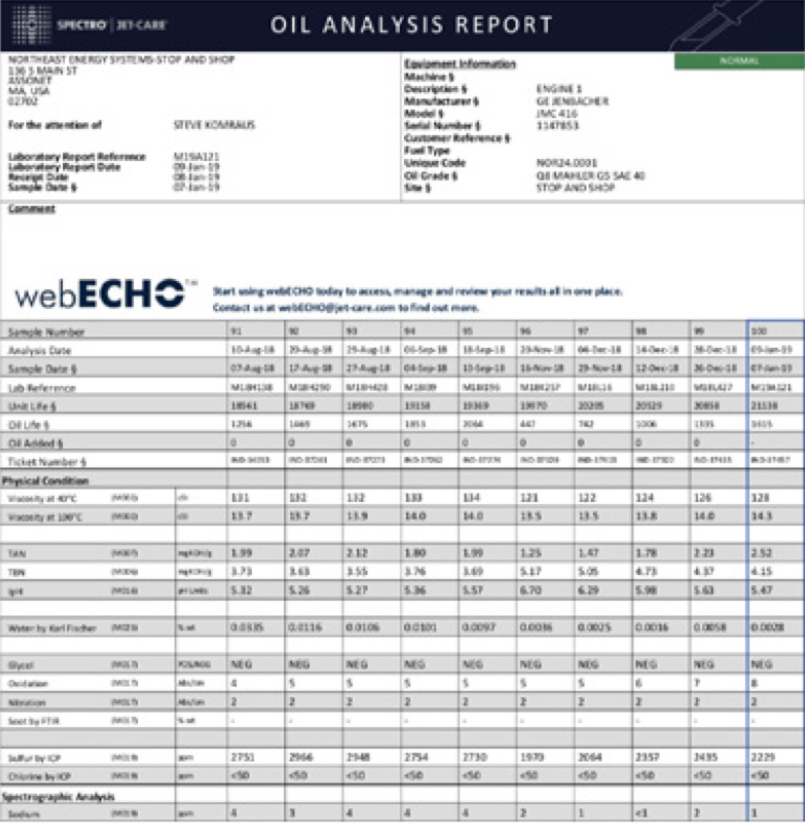
PUBLISHED RESULTS:
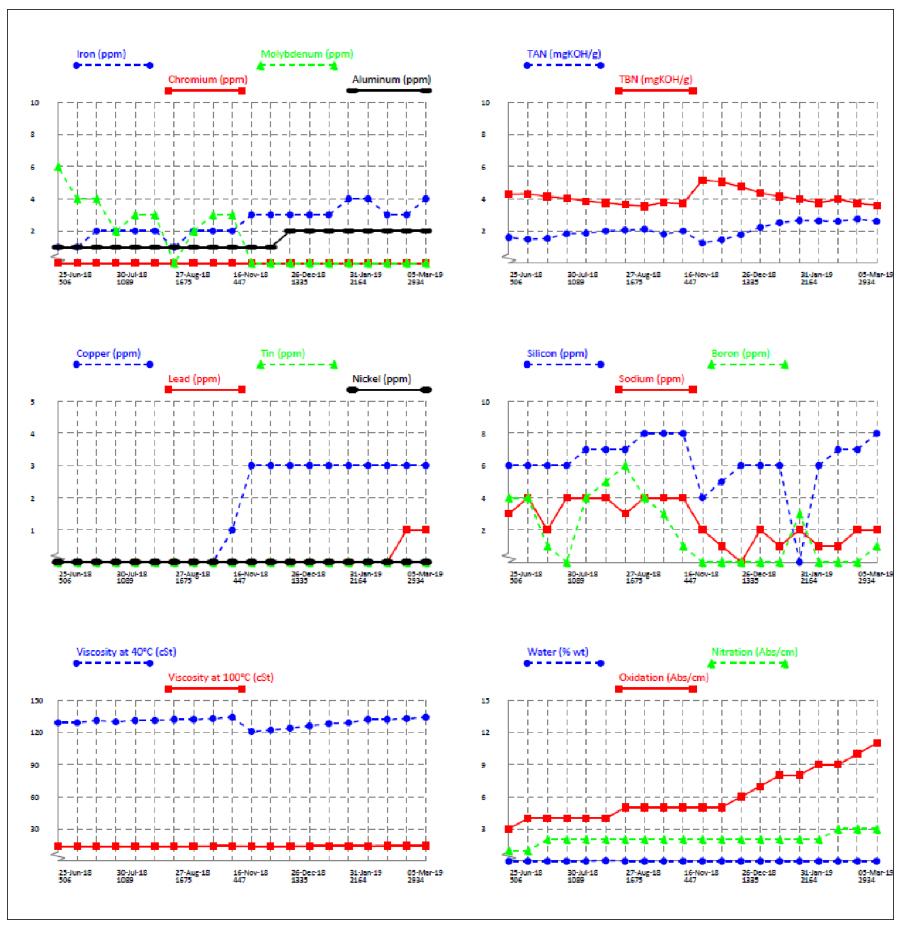
Oil Management:- Sample date, analysis date, sample number, oil life, oil added.
- Viscosity, TBN, TAN, IpH, Oxidation, Wear Metals, etc.
APMC AND MyPlant REVIEW:
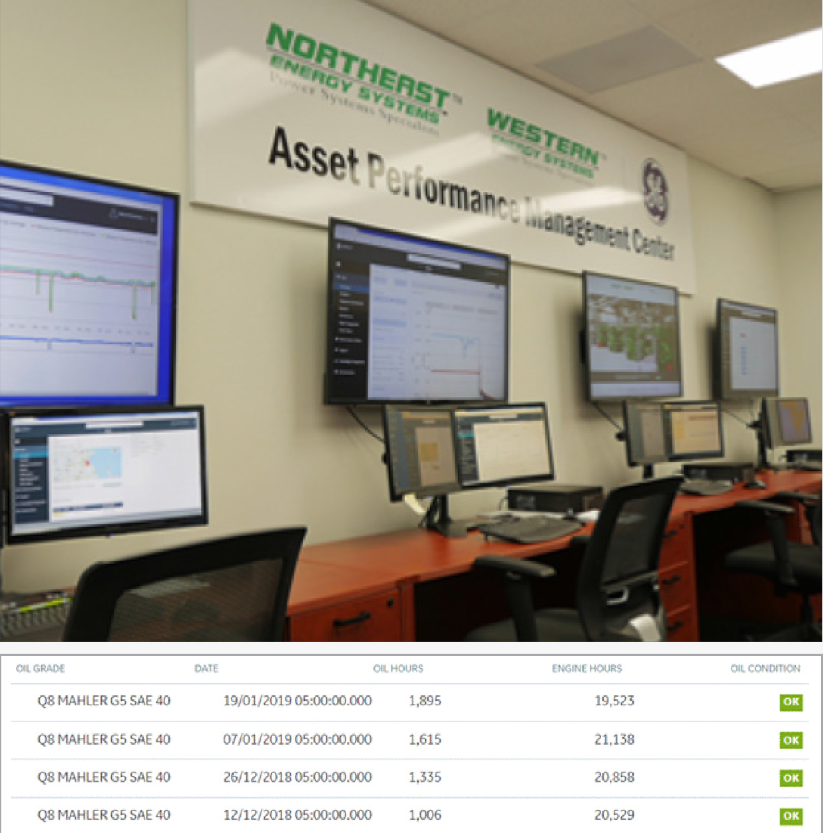
- Technical expertise.
- Predictive Analytics.
- Fluids Report storage.
FLUIDS SUPPLY AND DELIVERY:
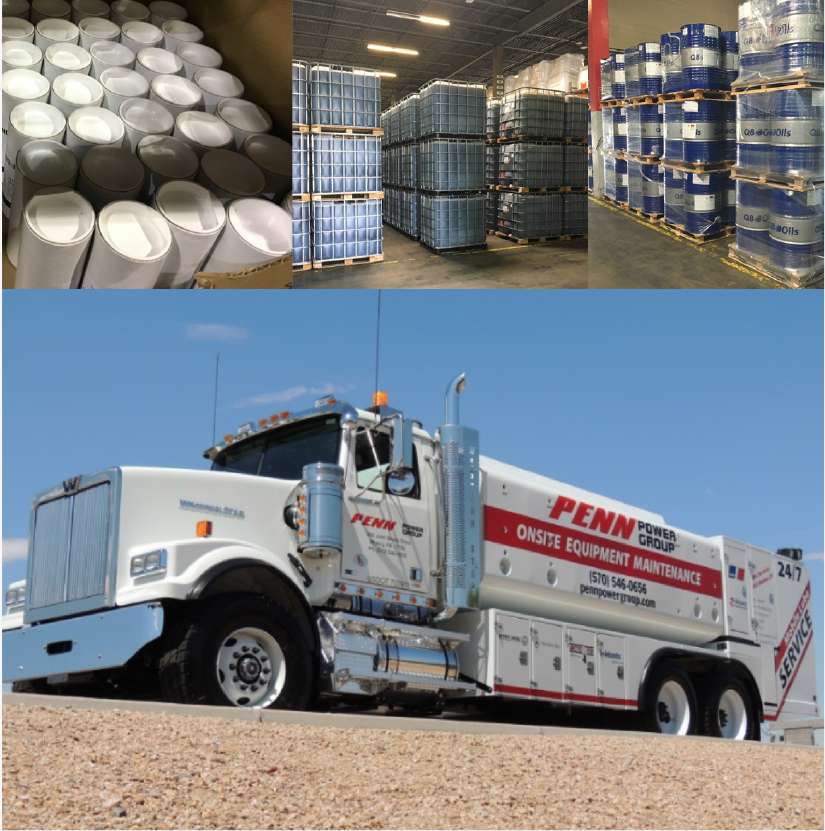
Warehouse:- Bristol, PA.
- Edison, NJ.
- Woburn, MA.
- Brea, CA.
- Anchorage, AK.
- Pail, Drum, Tote, and Bulk.
- Common carrier and tanker.
- Tote/Drum Removal.
- Used oil tank removal.
WHY OIL MANAGEMENT?
Quality oil leads to:
Lowering total operational costs (and TCO).
- Fewer oil filters, o-rings.
- Fewer man-hours.
Cleaner engines.
- Traditional and modern type 'low TBN' products can give hard abrasive deposits (leading to ring sticking, etc.).
Longer oil drain intervals
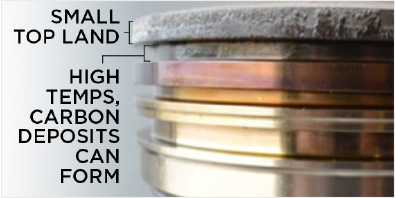
poor quality oil
- Hard abrasive deposits.
- Thermal/oxidative stress on oil is very high.
- Issues: Ring sticking.
- Liner lacquering
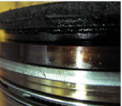
HIGH quality oil
- Clean pistons.
- Clean liners (low oil consumption).
- Good dispersancy / solubility (long filter life).
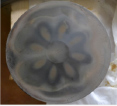
PRODUCTS
Oil Sample Analysis
| Sodium | (M019) | ppm | 2 |
| Boron | (M019) | ppm | <1< /td> |
| Silicon | (M019) | ppm | 4 |
| Iron | (M019) | ppm | 3 |
| Aluminum | (M019) | ppm | 1 |
| Chromium | (M019) | ppm | <1< /td> |
| Molybdenum | (M019) | ppm | <1< /td> |
| Copper | (M019) | ppm | 3 |
| Lead | (M019) | ppm | <1< /td> |
| Tin | (M019) | ppm | <1< /td> |
| Nickel | (M019) | ppm | <1< /td> |
| Titanium | (M019) | ppm | <1< /td> |
| Silver | (M019) | ppm | <1< /td> |
| Manganese | (M019) | ppm | <1< /td> |
| Potassium | (M019) | ppm | <1< /td> |
| Phosphorus | (M019) | % wt | 0.0358 |
| Calcium | (M019) | % wt | 0.1439 |
| Zinc | (M019) | % wt | 0.0417 |
| Barium | (M019) | % wt | <0.0001< /td> |
| Magnesium | (M019) | % wt | 0.0003 |
Sodium: Antifreeze inhibitors, additive in some gasoline engine oils.
Boron: Detergent/dispersant additive, antifreeze inhibitors.
Silicon: Airborne dirt (as silicium dioxide ; quartz (*) ), sealers, gaskets, antifreeze inhibitors, In Landfill -and Biogas gas as Silixane ( silicon & oxygen & alkaline) (**))
Iron: Cylinders, rotating shafts, the valve train, and any steel part sharing the oil.
Aluminum: Pistons, bearings, cases (heads & blocks).
Chromium: Rings, a trace element in steel.
Molybdenum: Anti-wear additive, coating on some new rings (washes off as break-in occurs).
Copper: Brass or bronze parts, copper bushings, bearings, oil coolers.
Lead: Bearings.
Tin: Bearings, bronze parts, piston coatings.
Nickel: Trace element in steel.
Titanium: Trace element.
Silver: Trace element.
Manganese:Manganese: Trace element
Potassium: Antifreeze inhibitor, additive in some oil types. (Kalium)
Phosphorus: Anti-wear additive.
Calcium: Detergent/dispersant additive.
Zinc: Anti-wear additive.
Barium: Detergent/dispersant additive.
Magnesium: Detergent/dispersant additive.
physical condition of the oil
| Physical Condition | |||
| Viscosity at 40℃ | (M002) | cSt | 121 |
| Viscosity at 100℃ | (M002) | cSt | 13.5 |
| TAN | (M007) | mgKOH/g | 1.25 |
| TBN | (M006) | mgKOH/g | 5.17 |
| lph | (M016) | pH Units | 6.70 |
| Water by Karl Fischer | (M023) | %wt | 0.0036 |
| Glycol | (M017) | POS/NEG | NEG |
| Oxidation | (MO17) | Abs/cm | 5 |
IpH
(Initial pH, measured at the start of TAN test) IpH is a measure of the overall acidity of a used oil mixture. Pure water is said to be neutral (pH ~7.0). Solutions with a pH less than 7 are called acidic, and solutions with a pH greater than 7 are called basic or alkaline.
Oxidation
Oxidation occurs as lubricant molecules are exposed to oxygen over long time periods. This process is accelerated by high operating temperatures.
Oxidation is perhaps the most predominant problem for natural gas engines.
Oxidation is often accompanied by:
- viscosity increase
- oil filter plugging
- varnish, sludge and sediment formation
- additive depletion
- base oil breakdown
- loss of lubricity
- acid number (TAN) increase
- loss in foam control
- rust formation and corrosion
To avoid these problems it is binding to change the oil asap when the maximum value is reached.
Limit value is: maximum 20 Abs/cm*
Analytics and Trending